A Cleaner Routine for Real-Life Mealtimes
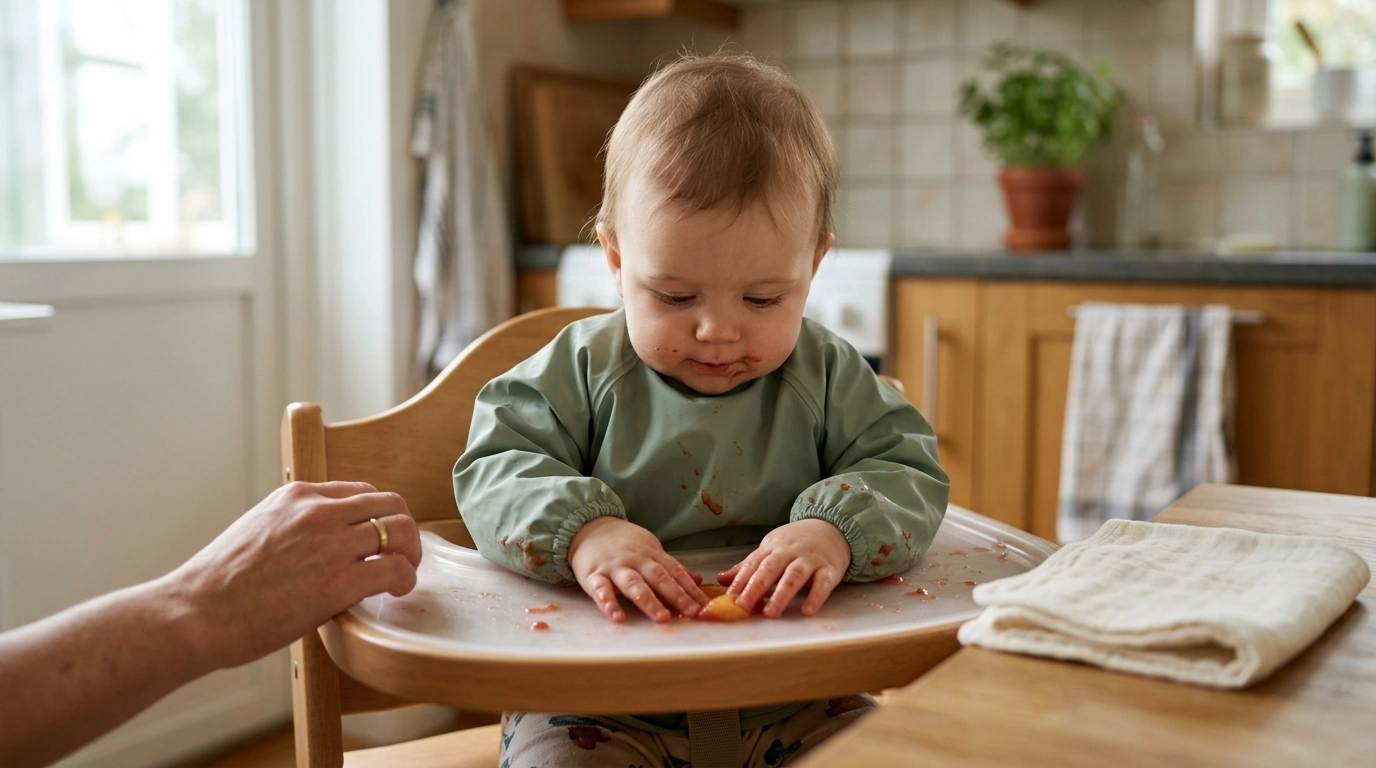
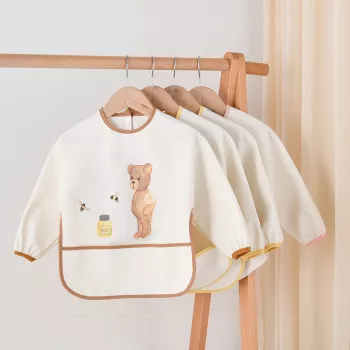
Mealtimes with little ones are equal parts discovery and debris. When you’re navigating early purees, self-feeding practice, and the inevitable “wipe hands on sleeves” phase, the right coverage can make the difference between a quick reset and a full outfit change. Our team put together a simple pairing that targets the most common mess paths: a waterproof long-sleeve bib for wide coverage, plus a soft burp cloth for the in-between moments—dribbles, quick wipe-downs, and the surprise spill right as you stand up. For more guidance, see Best eco-friendly burp cloths for Mess-Free Feeding.
What This Set Is Designed to Solve
- Less laundry from splashes and spoon misses: coverage extends beyond the chest to the sleeves—where a lot of the mess ends up during reaching and grabbing.
- Fewer mid-meal interruptions: keeping a soft burp cloth within arm’s reach makes quick cleanup faster than a full stop-and-start.
- A simpler post-meal reset: a wipeable surface handles many messes on the spot; rinse if needed, then hang to dry between uses.
- More confidence during messy stages: from thin purees to finger foods to sensory play, you can focus on pacing and comfort instead of constant damage control.
Why Long Sleeves and Waterproofing Matter (Beyond “Messy”)
Babies don’t spill in a neat, predictable way. Mess often travels: down the arm, into the lap, and onto chair straps. Long sleeves help catch that spill path—especially when your baby is practicing scooping, swiping, and “helping” with the spoon. For further reading, see Eating Smock Konssy Long Sleeve Baby Bibs For Eating, Soft ….
- Sleeves cover the common splash zones: arms and wrists tend to get hit first during reaching and rubbing hands together.
- Waterproofing works like a barrier: liquids and thin foods are less likely to soak through to clothes underneath, which helps reduce that damp, sticky feeling.
- Useful beyond the high chair: the same full-coverage idea applies to paint, play dough, glue, and other tabletop activities.
- Cleanup becomes more predictable: when the surface wipes clean, many meals end with a wipe instead of a wardrobe change.
For broader feeding safety and hygiene habits, the CDC and FDA both share practical guidance for families feeding young children (see CDC food safety for infants and toddlers and FDA food safety for children under 5), and the AAP has helpful context on starting solids (AAP guidance).
How to Use It in a Low-Fuss Routine
A long-sleeve bib works best when it’s part of a repeatable rhythm—on fast, off fast, and easy to keep near the feeding zone.
- Before food: put the bib on first, then seat your baby. This helps you avoid pulling anything over a sticky neckline later.
- During feeding: fold the burp cloth and park it on the edge of the high chair or your shoulder for quick dabs.
- Between bites: do a quick wipe of fingers and palms before offering a cup or toy to limit the “everything is now slippery” moment.
- After the meal: wipe the waterproof surface, then use the burp cloth for a final face/neck cleanup.
- Drying and storage: hang the bib so it dries fully between uses; store the burp cloth where you can grab it one-handed.
Quick Clean-Up Checklist (Keep Near the High Chair)
| Moment |
What to Do |
What It Prevents |
| Before seating |
Fasten bib and smooth sleeves down |
Missed sleeve coverage and early stains |
| First spills |
Blot with burp cloth (don’t rub aggressively) |
Spreading stains and irritation on sensitive skin |
| Mid-meal hands |
Quick wipe of fingers and palms |
Mess transferred to cups, hair, and straps |
| End of meal |
Wipe bib surface; rinse if needed; hang dry |
Crusty buildup and lingering odors |
| After cleanup |
Swap to a clean burp cloth if needed |
Reintroducing yesterday’s mess |
What to Look For in a Feeding Bib + Burp Cloth Combo
- Coverage that matches the phase: long sleeves make the most difference when self-feeding and reaching are the main mess-makers.
- A wipeable outer layer: ideal when you need a quick reset between meals or snacks.
- Comfort at the neck and wrists: secure enough to stay in place, comfortable enough for longer meals and play.
- A burp cloth you’ll actually use: soft for skin contact, easy to fold, and practical for quick dabs and wipe-downs.
- Easy-care habits: the best option is the one that fits your home rhythm—wipe, rinse, or wash without complicated steps.
Everyday Scenarios Where This Helps Most
Our Picks (In Stock Now)
FAQ
Can a waterproof long-sleeve bib replace a regular bib?
For many messy meals and most crafts, a waterproof long-sleeve bib can take the place of a regular bib because it covers the arms and helps block soak-through. Some families still keep a smaller bib for quick, low-mess snacks when full coverage feels like overkill.
How should a long-sleeve feeding bib fit?
It should secure at the neck without digging in, and the sleeves should reach the wrists without restricting arm movement. A good fit lets your baby sit, reach, and explore comfortably while the coverage stays in place.
What’s the best way to clean a waterproof feeding bib after purees or sauces?
Wipe it soon after the meal, then rinse if needed and hang it so it dries fully. Prompt cleanup helps reduce staining and lingering odors, especially after thicker foods.
Recommended for you











Leave a comment