Progress feels great—until a preventable gear mistake sidelines training. Our team built this guide for everyday athletes who want fewer interruptions, better comfort, and smarter routines. “Train Smart, Stay Safe” focuses on practical sport gear safety basics: how to choose, fit, use, and maintain the essentials that quietly protect joints, skin, eyes, and impact zones while training intensity climbs.
Smart training is rarely about a single heroic session. It’s the repeatable routine that keeps you showing up. Consistency beats hero workouts because safety habits protect the sessions that actually build results.
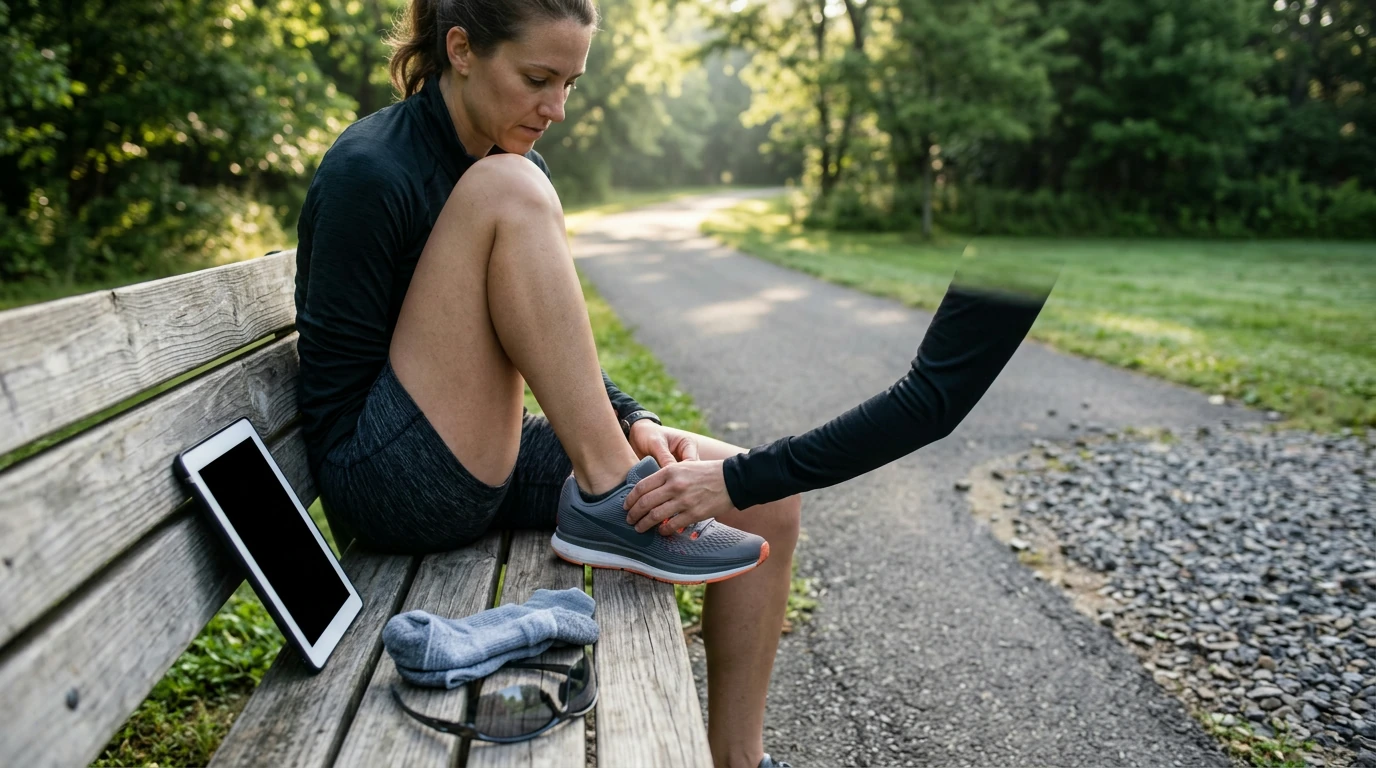
Gear safety basics start before you move: quick fit checks, surface checks, and weather-appropriate choices reduce surprise problems. A simple rule keeps it manageable: if something changes (new shoes, new terrain, new mileage, new load), re-check fit and support. Aim for the minimum effective protection—the safest setup is the one that stays comfortable enough to wear every time. And keep a “small fixes” mindset: replace worn parts early (laces, insoles, straps, lens protection) instead of training around them.
| Check | What to look for | Quick fix before training |
|---|---|---|
| Footwear | Uneven tread, loose heel, hot-spot friction | Re-lace for heel lock, swap socks, retire shoes with unstable soles |
| Bracing/support | Slipping, pinching, numbness, poor alignment | Reposition, adjust tension, confirm full range of motion without pain |
| Head/impact protection (if used) | Loose fit, cracked foam/shell, damaged straps | Tighten/replace straps; replace helmet after major impact |
| Visibility/eye protection | Glare, dust/wind irritation, scratched lenses | Clean lenses; use wraparound coverage on windy routes |
| Hydration/carry | Leaking bottles, bouncing pack, chafing points | Tighten straps, add anti-chafe, rebalance load |
Fit isn’t just comfort—it’s mechanics. When gear shifts, rubs, or compresses in the wrong spot, your movement changes to compensate. Over time, that’s how “minor annoyances” become missed weeks.
The fastest way to get surprised by pain is to increase training and change gear at the same time. When you ramp up, keep variables controlled and choose gear that supports the new demand.
For evidence-based safety references, we recommend reviewing the CDC’s guidance on helmet safety (CDC HEADS UP), shoe selection tips from ACSM (ACSM athletic shoes), and eye protection principles from NIOSH (NIOSH eye safety).
If you want a simple system you can reuse season after season, our team created Train Smart Stay Safe – Practical Ebook Guide to Sport Gear Safety Basics for Smarter Training & Injury Prevention. It organizes what to check, when to replace, and how to avoid common gear pitfalls that interrupt progress.
For outdoor sessions where glare, wind, and debris are real factors, supportive eyewear is a practical safety upgrade. Our Timberland Sunglasses option is an easy way to build the habit of consistent eye coverage on bright or windy routes.
Focus on function: slipping fit, loss of traction, compressed padding/foam, cracked components, or persistent rubbing and numbness are all “replace” signals. For impact protection like helmets, replace after a major hit even if damage isn’t obvious, and don’t train around equipment that’s failing under load.
No—support should improve alignment and confidence without restricting circulation or natural movement. If compression creates tingling, numbness, or changes how you move, it’s too much; start with the minimum effective support and reassess fit and mechanics.
Use a phased break-in: start with short, low-intensity sessions, then gradually increase duration and intensity if everything stays comfortable. Avoid first-use on long runs, max lifts, or race days, and address hot spots immediately with lacing, sock changes, or adjustments.








Leave a comment